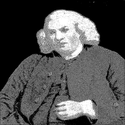
Samuel Johnson
Biography of Samuel Johnson
Full Name and Common Aliases
Full Name: Samuel Johnson
Common Aliases: Dr. Johnson
Birth and Death Dates
Born: September 18, 1709
Died: December 13, 1784
Nationality and Profession(s)
Nationality: British
Profession(s): Writer, Lexicographer, Poet, Essayist, Critic
Early Life and Background
Samuel Johnson was born in Lichfield, Staffordshire, England, to Michael Johnson, a bookseller, and Sarah Ford. His early life was marked by financial instability and health challenges, including scrofula, which left him with physical scars and partial blindness in one eye. Despite these hardships, Johnson's intellectual prowess was evident from a young age. He attended Pembroke College, Oxford, but financial constraints forced him to leave without a degree. Nevertheless, his time at Oxford was formative, instilling in him a lifelong love of literature and learning.
Major Accomplishments
Samuel Johnson's most significant accomplishment is his monumental work, "A Dictionary of the English Language," published in 1755. This dictionary was a groundbreaking achievement, setting the standard for future lexicographical works. It was the first comprehensive English dictionary, notable for its detailed definitions, illustrative quotations, and systematic approach. Johnson's dictionary remained the preeminent English dictionary until the completion of the Oxford English Dictionary over a century later.
In addition to his lexicographical achievements, Johnson was a prolific writer and critic. His essays, particularly those published in "The Rambler," "The Idler," and "The Adventurer," showcased his keen insight into human nature and society. His critical work, "Lives of the Most Eminent English Poets," remains a significant contribution to English literary criticism, offering biographical sketches and evaluations of poets from the seventeenth and eighteenth centuries.
Notable Works or Actions
Beyond his dictionary, Johnson's literary output was vast and varied. His poem "The Vanity of Human Wishes" is celebrated for its philosophical depth and masterful use of language. His novel, "The History of Rasselas, Prince of Abissinia," explores themes of happiness and the human condition, reflecting Johnson's own philosophical inquiries.
Johnson's friendship with James Boswell, a Scottish lawyer and writer, resulted in one of the most famous biographies in English literature, "The Life of Samuel Johnson." Boswell's work immortalized Johnson's wit, wisdom, and conversational prowess, providing a vivid portrait of his character and intellect.
Impact and Legacy
Samuel Johnson's impact on English literature and language is profound. His dictionary not only standardized English spelling and usage but also enriched the language with his insightful definitions and illustrative quotations. Johnson's essays and critical works have influenced generations of writers and thinkers, establishing him as a central figure in the English literary canon.
Johnson's legacy extends beyond his written works. He was a central figure in the literary and social circles of his time, known for his conversational brilliance and moral integrity. His influence on the development of literary criticism and biography is enduring, and his works continue to be studied and admired for their intellectual rigor and stylistic elegance.
Why They Are Widely Quoted or Remembered
Samuel Johnson is widely quoted and remembered for his incisive wit, profound insights, and eloquent expression. His ability to distill complex ideas into memorable aphorisms has made his quotes timeless. Johnson's observations on human nature, morality, and society resonate with readers across generations, offering wisdom and perspective on the human experience.
His contributions to the English language, particularly through his dictionary, have left an indelible mark on the way English is understood and used. Johnson's legacy as a writer, critic, and lexicographer ensures that his words continue to inspire and enlighten, making him a figure of enduring significance in the literary world.
Quotes by Samuel Johnson
Samuel Johnson's insights on:
Pleasure is very seldom found where it is sought; our brightest blazes of gladness are commonly kindled by unexpected sparks.
But that the happiness of man may still remain imperfect, as wants in this place are easily supplied, new wants likewise are easily created.
It is wonderful to think how men of very large estates not only spend their yearly income but are often actually in want of money. It is clear, they have not valued for what they spend.
Life admits not of delays; when pleasure can be had, it is fit to catch it: every hour takes away part of the things that please us, and perhaps part of our disposition to be pleased.
Of all the griefs that harass the distrest, Sure the most bitter is a scornful jest.